About The Programs
Milenaria develops programs that connect health, social support, art, culture, and community.
The work is organized around two main areas:
1. Social Assistance Program
The Social Assistance Program supports migrant communities through guidance, education, community resources, institutional connections, and access to health and social services.
The program works through partnerships with public institutions, health organizations, community organizations, nonprofits, and social service providers.
Its work includes community orientation, prevention, health education, referrals, support in navigating services, and the development of collaborative responses to the needs of migrant communities. Current work includes Colombian migrant communities in New Jersey and Pennsylvania through connections developed with the Consulate of Colombia in Newark and community partners.
2. Community Intervention Program
The Community Intervention Program uses arts-in-health practices to strengthen well-being, social cohesion, interpersonal relationships, cultural identity, and community connection.
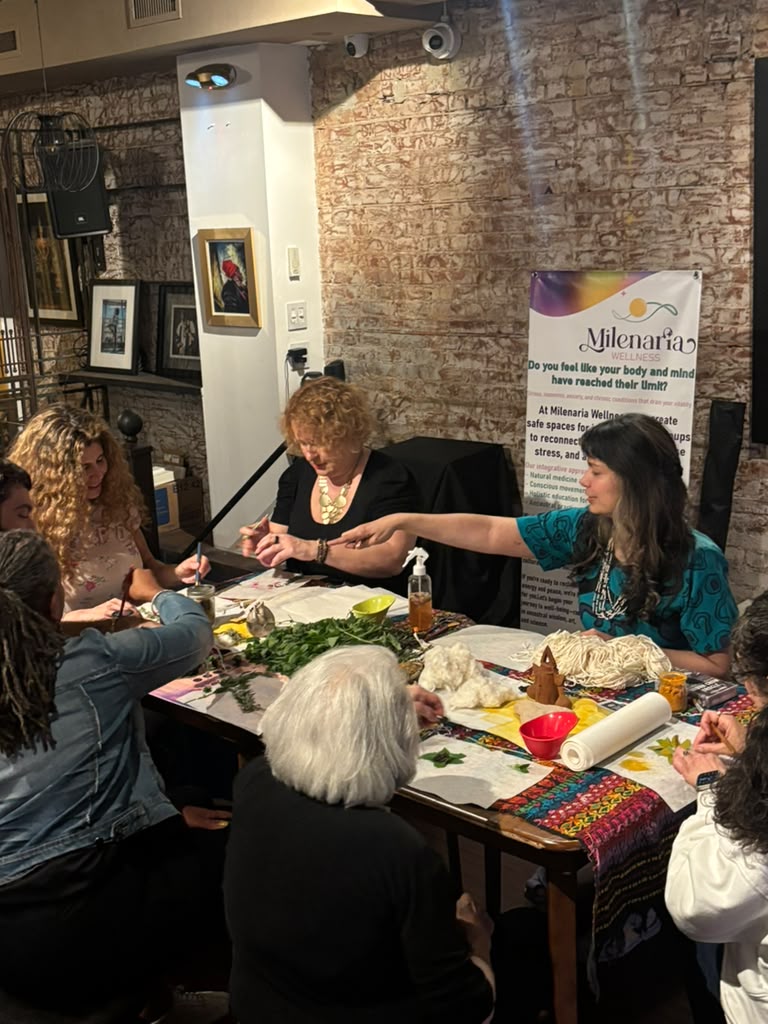
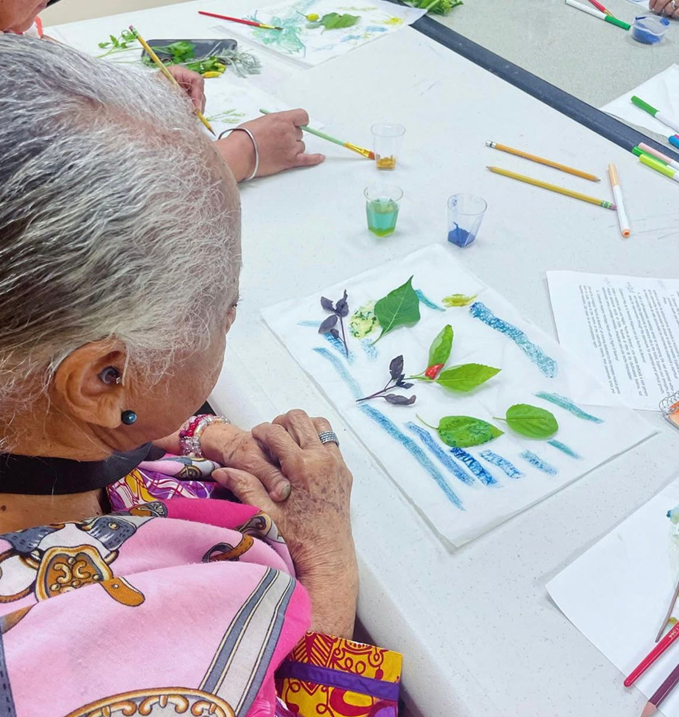
Milenaria designs participatory experiences using social performance, dance, music, painting, movement, storytelling, meditation, relaxation, natural medicine, medicinal plants, food, and nature.
Participants are part of the artistic process. They create, move, remember, share, and contribute their own experiences and cultural knowledge.
The program has been developed with immigrant and culturally diverse communities in New York, New Jersey, Pennsylvania, Colombia, and Mexico.
From 2015 to 2019, Milenaria developed community arts and social sculpture practices connected with the Queens Museum and immigrant communities in New York City.
Current community interventions include work with Colombian migrant communities in New Jersey and Pennsylvania. Experiences such as La Tierra me Sana, Ríos de Vida, and Bordando Esperanza use art, memory, movement, nature, cultural traditions, and collective creation to support connection, well-being, and symbolic reparation of memory.
Community interventions can be developed for hospitals, museums, community centers, universities, consulates, nonprofit organizations, and other institutions interested in arts, health, culture, migration, and community well-being.
Programs:
Milenaria has also been a space for independent experimentation and community practice.
Over the years, its projects have brought together art, nature, movement, cultural memory, body awareness, health education, and collective experience, exploring different ways in which creative practices can contribute to individual and community health.
These experiences have allowed Milenaria to grow organically across different settings and populations while developing an approach that understands health through the relationship between body, emotions, culture, environment, creativity, relationships, and community.
Impact: Creates participatory experiences that encourage health awareness, expression, connection, belonging, and collective care.
Focus: Arts in Health · Community Health · Cultural Knowledge · Embodied Practice · Collective Care
Since 2015, Milenaria Arts in Medicine has designed and implemented arts-in-medicine programs with immigrant and culturally diverse communities in New York, New Jersey, Colombia, and Mexico. From 2015 to 2019, part of this work was connected with the Queens Museum. Today, Milenaria continues this community work in connection with the Consulate of Colombia in Newark, serving Colombian migrant communities in New Jersey and Pennsylvania.
Milenaria combines social performance, dance, music, painting, movement, and other creative practices with natural medicine, meditation, relaxation, medicinal plants, nature, and food as medicine. Participants take an active role in the creative process, contributing their memories, experiences, ideas, and cultural knowledge.
These methodologies are created and implemented by Milenaria to strengthen social cohesion, interpersonal relationships, community building, joy, wellbeing, healing, and buen vivir. The work also creates spaces for symbolic reparation of personal and collective memory, particularly around migration, identity, belonging, and connection to place.
Impact: Promotes cultural connection, emotional well-being, health awareness, and person-centered support for migrant communities and individuals experiencing vulnerability.
Focus: Migrant Health · Cultural Memory · Arts in Health · Human Rights · Intercultural Care.
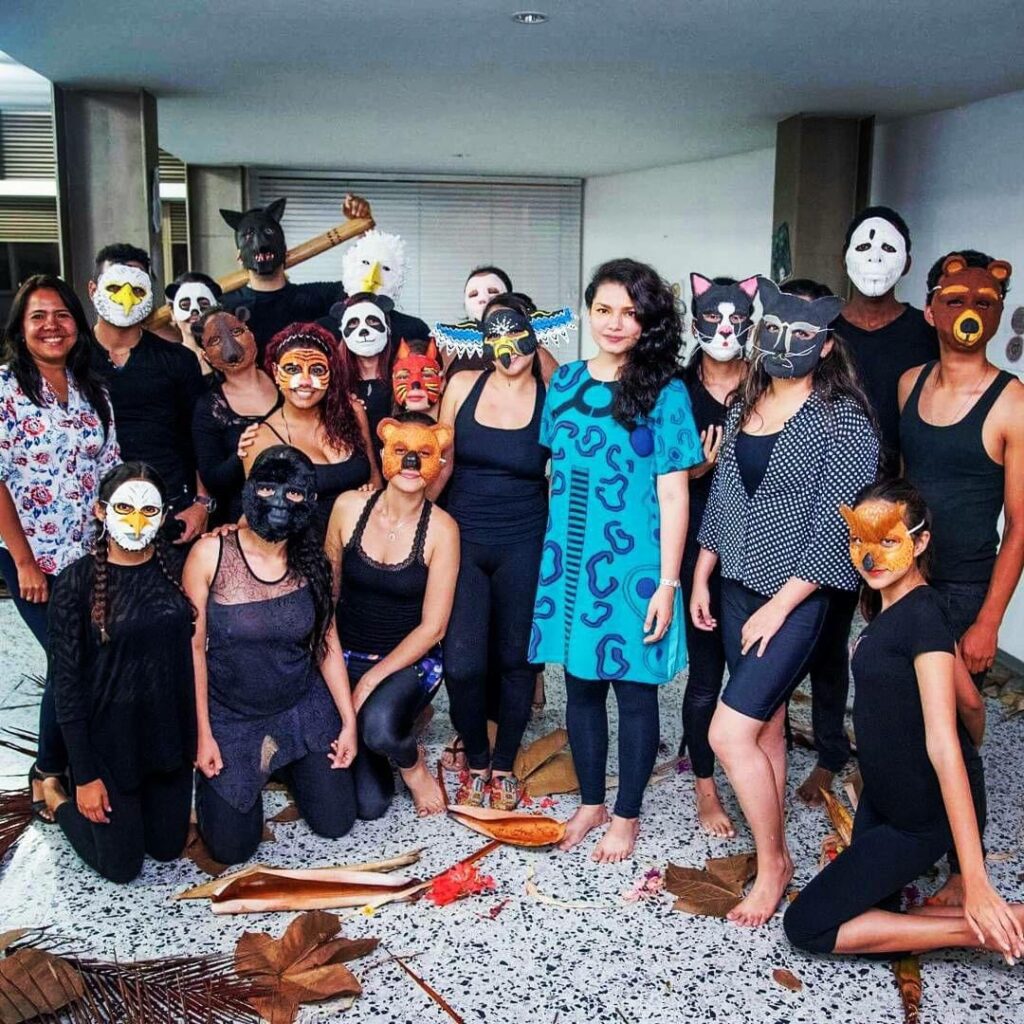
Created arts-in-health experiences within university education, bringing together students from Nursing, Visual and Plastic Arts, Social Communication and Journalism, and Physical Education.
Through interdisciplinary, clinical, and community practices, students explored how the arts could become a resource for health education, communication, care, and social intervention. They also experienced creative practices directed toward their own well-being, self-awareness, emotional expression, and stress management.
Beyond learning about Arts in Health, students were encouraged to create and lead their own interventions, strengthening their capacity to work with communities through collaborative and creative approaches.
Impact: Contributed to interdisciplinary learning, social-intervention skills, student well-being, and a broader understanding of the role of the arts in health and care.
Recognition: This work was shared as a successful Arts in Health experience at national nursing congresses in Colombia and through academic and professional conference presentations.
Focus: Arts in Health · Interdisciplinary Education · Nursing · Clinical & Community Practice · Student Well-being.
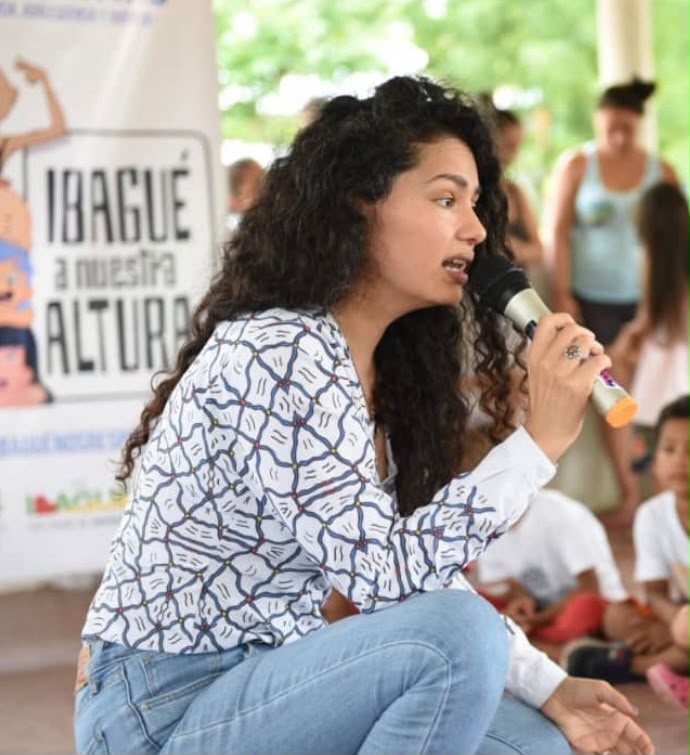
Led community-based strategies focused on the prevention of child maltreatment and sexual abuse and the promotion of protective environments for children and adolescents.
Working across health education, public policy, family participation, and community action, the initiative brought together professionals, educators, institutions, families, and communities around prevention and child protection.
The strategies reached more than 92,000 people, making prevention education and the creation of protective environments central elements of this public health experience.
Impact: Expanded community awareness and participation in the prevention of violence against children and the promotion of safer environments for children, adolescents, and families.
Focus: Child Protection · Sexual Abuse Prevention · Protective Environments · Community Education · Public Health.